KIMS Hospital: Latest Updates, Expansion Plans & Business Overview (May 2026)
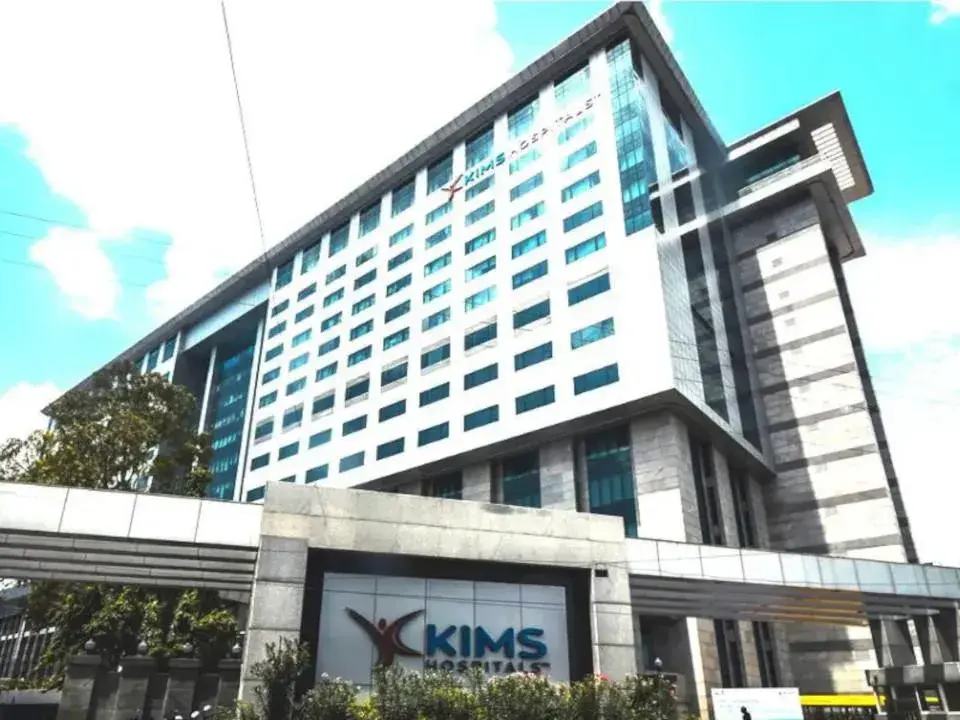
KIMS Hospital: Latest Updates, Expansion Plans & Business Overview (May 2026)
A comprehensive overview of Krishna Institute of Medical Sciences (KIMS) — South India's leading hospital chain, its recent developments, financial health, and strategic direction.
📋 What's Inside
- Company Overview
- Recent Developments & News
- Financial Snapshot
- Expansion Strategy
- Industry Position
Company Overview
Krishna Institute of Medical Sciences (KIMS) is one of South India's largest corporate hospital chains, headquartered in Secunderabad, Telangana. Founded by Dr. Bhaskar Rao in 2000, the company operates a network of multi-specialty hospitals primarily across Telangana, Andhra Pradesh, and Maharashtra.
Founded
2000
By Dr. Bhaskar Rao
Listed On
NSE & BSE
IPO in June 2021
Hospital Network
12+ Hospitals
Across 3 states
Bed Capacity
4,000+ Beds
With expansion plans
KIMS is known for its focus on Tier-2 and Tier-3 cities — a differentiated strategy compared to peers like Apollo and Max Healthcare who are concentrated in metros. The company went public in June 2021 with a highly successful IPO that was subscribed over 4 times.
Recent Developments & News
Q4 FY26 Results
KIMS reported its Q4 FY26 results in late April 2026. Key highlights:
- Revenue: ₹580 crore, up 18% YoY — driven by increased patient volumes and higher ARPOB (Average Revenue Per Occupied Bed)
- EBITDA Margin: 24.5%, stable QoQ but down 120 bps YoY due to higher doctor compensation and medical equipment costs
- Net Profit: ₹85 crore, up 14% YoY
- Occupancy Rate: 72% across the network, up from 68% in Q4 FY25
- ARPOB: ₹42,500 per day, up 8% YoY
New Hospital Openings
KIMS inaugurated two new hospitals in FY26:
- KIMS Kurnool: 300-bed multi-specialty hospital opened in December 2025
- KIMS Nagpur: 200-bed facility opened in March 2026, marking KIMS' entry into Maharashtra beyond its existing presence
Management Commentary
"We are targeting 6,000 operational beds by FY28. Our focus remains on underserved Tier-2 cities where we can build dominant market share with lower competitive intensity." — Dr. Bhaskar Rao, Chairman & MD
Financial Snapshot
Market Cap
₹14,500 Cr
As of May 2026
FY26 Revenue
₹2,180 Cr
Up 20% YoY
FY26 Net Profit
₹310 Cr
Up 16% YoY
Net Debt/Equity
0.35x
Conservative leverage
KIMS maintains a strong balance sheet with minimal debt relative to equity. The company has been funding expansion primarily through internal accruals and a small portion of debt, avoiding the aggressive leverage that has hurt some hospital chains in the past.
Expansion Strategy
KIMS has laid out a clear growth roadmap:
- Bed Expansion: From 4,000 beds currently to 6,000 beds by FY28 and 8,000 beds by FY30
- Geographic Diversification: Entering Karnataka (Bangalore, Mysore) and Tamil Nadu (Chennai, Coimbatore) over the next 2 years
- Greenfield vs Brownfield: 60% of new capacity through greenfield projects; 40% through acquisitions of distressed or underperforming hospitals
- Specialty Focus: Increasing share of high-margin specialties — cardiac sciences, oncology, and organ transplants
- Digital Health: Launching telemedicine and home healthcare services under the "KIMS Care" brand
Capex Plan: KIMS has guided for ₹1,200 crore in capex over FY27-FY28, funded through a mix of internal accruals (70%) and debt (30%). The company has no plans for equity dilution in the near term.
Industry Position
KIMS operates in India's rapidly growing healthcare sector, which is expected to reach $638 billion by 2030 (from ~$370 billion in 2025). Key competitive dynamics:
- vs Apollo Hospitals: Apollo is 3x larger by revenue but concentrated in metros. KIMS wins on cost efficiency and regional dominance.
- vs Max Healthcare: Max is North India focused and premium-priced. KIMS targets the mass-affluent segment in South/Central India.
- vs Narayana Health: Both focus on affordability, but KIMS has a stronger presence in Andhra/Telangana.
- vs Regional Players: KIMS' corporate governance and scale give it an edge over fragmented regional hospitals.
Key Risks to Monitor: (1) Regulatory changes in healthcare pricing (Ayushman Bharat impact), (2) Doctor attrition — key man risk given dependence on Dr. Bhaskar Rao's network, (3) Execution risk on aggressive bed expansion targets, (4) Competition from new entrants like Manipal and Aster DM.
Last updated: