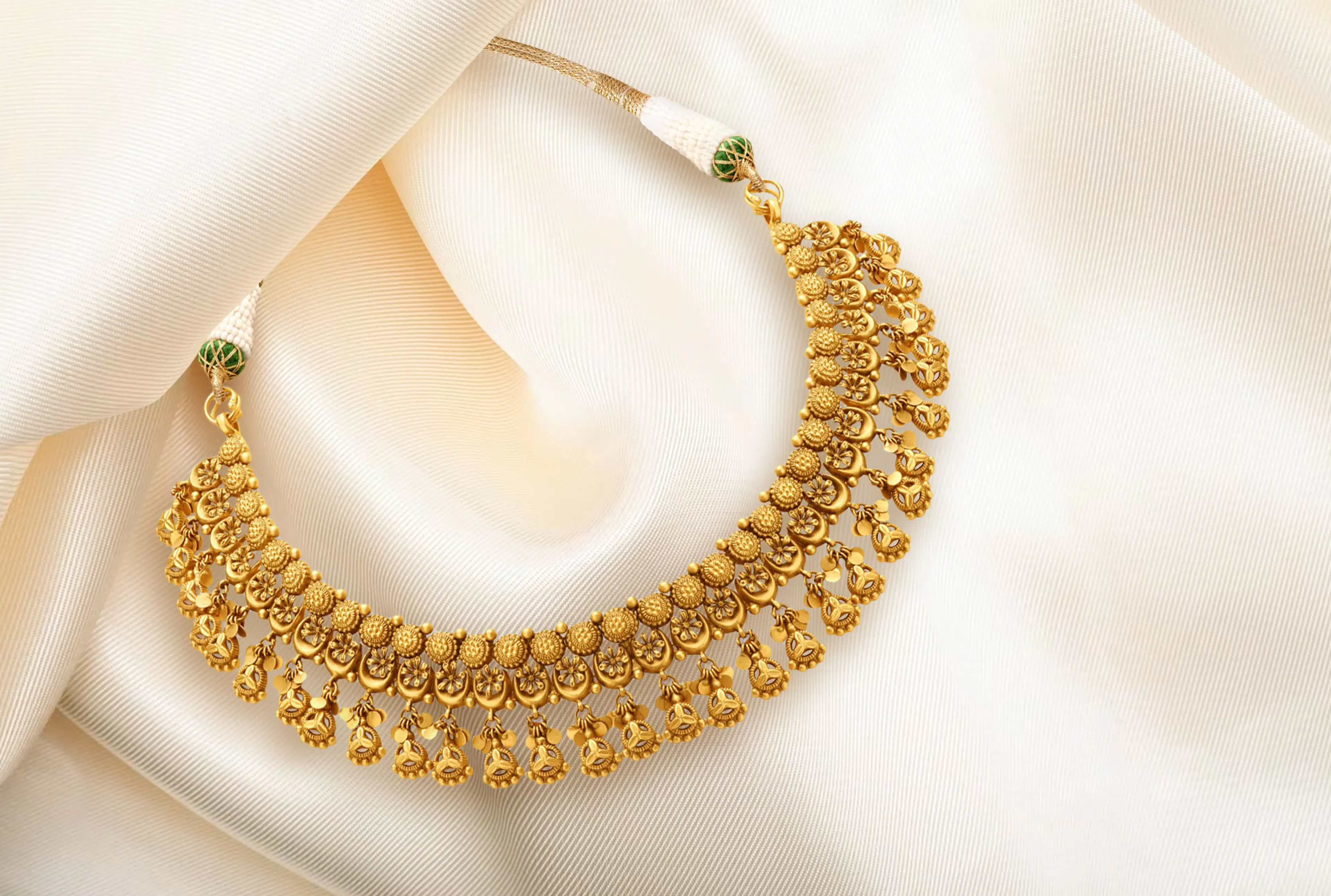
Gold has always been the asset that thrives on uncertainty. When currencies wobble, when geopolitical tensions flare, when inflation expectations shift — gold absorbs the anxiety and converts it into price appreciation. But the current moment presents a paradox that every precious metals investor needs to understand: gold is simultaneously being sold off and aggressively accumulated, creating a divergence that will resolve violently in one direction.
The selling pressure comes from a specific, identifiable source: war-related inflation panic. When Middle East tensions spike and crude oil surges, markets price in inflation acceleration and delayed rate cuts. That narrative temporarily hurts gold because it shifts the opportunity cost calculus — if rates stay higher for longer, non-yielding assets face headwinds. But this is a short-term dislocation, not a structural bear case.
Central banks don't trade gold on daily momentum. They accumulate it as a strategic reserve asset against currency debasement and geopolitical fragmentation. Recent data shows central banks maintaining — and in many cases accelerating — their gold purchases despite price volatility. This isn't speculation; it's sovereign-level conviction.
The Inflation-Gold Disconnect
The prevailing narrative suggests that war-driven inflation is bearish for gold because it delays rate cuts. This is backwards. Historically, gold performs best not when inflation is low and stable, but when inflation is volatile and policy responses are uncertain. The 1970s stagflation era delivered the most dramatic gold bull market in modern history — precisely because central banks were behind the curve and real rates turned deeply negative.
Today's environment rhymes with that period. Inflation isn't being caused by demand overheating; it's being driven by supply shocks (energy, shipping, geopolitical risk premia). Supply-shock inflation is harder for central banks to control with rate hikes because the problem isn't too much money chasing too few goods — it's too few goods, period. In this environment, gold becomes a hedge against policy impotence, not just currency debasement.
Silver: The Volatile Cousin
Silver deserves its own discussion because it behaves differently — more violently — than gold. With significant industrial demand components (solar panels, electronics, batteries), silver is part precious metal, part industrial commodity. This dual identity creates explosive volatility: it underperforms gold during pure risk-off moments but can dramatically outperform during recovery phases when industrial demand rebounds simultaneously with monetary debasement fears.
For conservative investors, silver should be treated as a satellite position, not a core holding. The volatility is real, the drawdowns can be severe, and the industrial demand floor provides a backstop — but not a guarantee — against catastrophic declines.
The Rupee-Gold Symbiosis
Indian gold investors have a structural tailwind that global investors lack: rupee depreciation. Even if global gold prices consolidate or decline modestly in dollar terms, rupee weakness against the dollar can deliver positive returns in INR terms. This isn't speculation — it's arithmetic.
The current FII selling pressure (₹4,100 crore on the latest session alone, with short positions at 86%) is directly pressuring the rupee. As foreign investors repatriate capital, rupee demand increases, and the currency weakens. For gold holders, this creates a double benefit: potential dollar appreciation of the metal plus rupee depreciation amplification.
The SIP Imperative
Given the complete uncertainty around war trajectory — sudden positive developments, sudden escalations, diplomatic breakthroughs, or military disasters — lump-sum gold allocation is gambling, not investing. The only rational approach is systematic investment planning (SIP).
Monthly accumulation averages out the volatility, removes timing risk, and builds a position that can be held through the noise. Over 6-12 months, this approach delivers fair value regardless of which geopolitical scenario materializes. The investor who SIPs through volatility ends up with a better average entry than the one who waits for "clarity" that never arrives.
When the Fog Clears
CNBC's latest analysis suggests that once war-related uncertainty dissipates — whether through resolution, stalemate, or exhaustion — gold and silver will resume their historical rallies. The logic is straightforward: the underlying drivers (fiscal deficits, currency debasement, de-dollarization, geopolitical fragmentation) haven't disappeared. They've merely been temporarily obscured by tactical volatility.
The only scenario that genuinely threatens gold's bull market is a rapid, comprehensive de-escalation that simultaneously brings crude prices down, inflation expectations lower, and rate-cut timelines forward. Even then, central bank demand provides a floor that didn't exist in previous cycles.
Conclusion: Patience as Positioning
Gold isn't a trade. It's a hedge against the failure of other trades. In an environment where equities have rallied 10-23% across market cap segments, where valuations have recovered from deeply oversold levels, and where geopolitical risk remains unresolved, maintaining gold exposure through systematic accumulation isn't conservative — it's intelligent risk management.
The investors who panic-sold gold at recent lows will be the same ones chasing it at new highs. Don't be among them.